
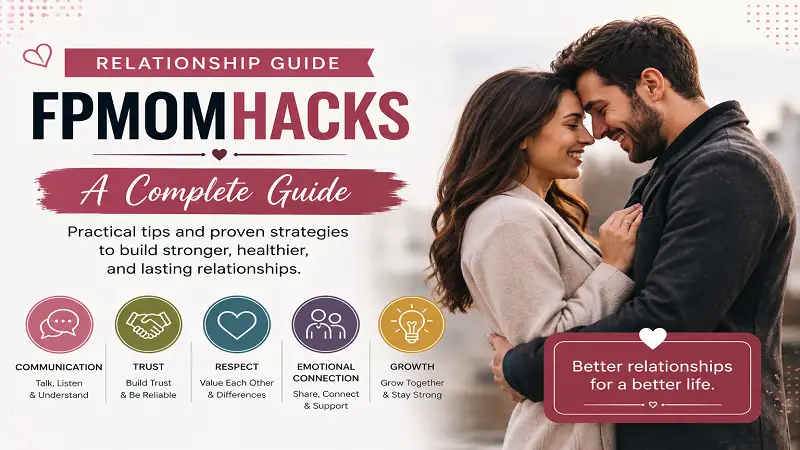
Relationships play a crucial role in shaping our happiness, emotional well-being, and overall quality of life. Whether it is a romantic partnership, friendship, family connection, or professional relationship, strong bonds require dedication, communication, and mutual understanding. In today’s fast-paced world, maintaining healthy relationships can be challenging, making practical advice and proven strategies more valuable than ever.
This comprehensive relationship guide fpmomhacks explores the essential principles that help people create meaningful connections, overcome common obstacles, and nurture long-term relationship success. By understanding the foundations of healthy relationships and applying practical techniques, individuals can build stronger bonds that stand the test of time.
Understanding the Foundation of Healthy Relationships
Every successful relationship begins with a strong foundation. Just as a building requires solid support to remain stable, relationships need fundamental elements that create trust, security, and emotional connection.
Trust is often considered the cornerstone of any healthy relationship. It develops gradually through consistent actions, honesty, and reliability. When individuals trust each other, they feel safe expressing their thoughts, emotions, and concerns without fear of judgment or betrayal.
Respect is another essential component. Healthy relationships thrive when both parties value each other’s opinions, boundaries, and individuality. Respect allows people to maintain their unique identities while growing together.
Communication serves as the bridge that connects people emotionally. Open and honest conversations help partners understand each other’s needs, expectations, and feelings. Without effective communication, misunderstandings can quickly damage even the strongest relationships.
By focusing on trust, respect, and communication, individuals create a stable environment where relationships can flourish naturally.
The Importance of Effective Communication
Communication is one of the most powerful tools available for strengthening relationships. It allows people to express their emotions, resolve conflicts, and deepen their understanding of one another.
Active listening is a critical aspect of effective communication. Many people focus on preparing their response instead of genuinely listening to what the other person is saying. Active listening involves giving full attention, maintaining eye contact, and acknowledging the speaker’s perspective.
Clear expression of thoughts and feelings is equally important. Rather than expecting others to read their minds, individuals should communicate their needs directly and respectfully. This reduces confusion and prevents unnecessary conflicts.
Nonverbal communication also plays a significant role. Facial expressions, body language, and tone of voice often communicate more than words alone. Being aware of these signals can improve understanding and strengthen emotional connections.
Strong communication habits create a foundation for long-term relationship success and help prevent minor issues from becoming major problems.
Building Trust Through Consistent Actions
Trust cannot be demanded; it must be earned through consistent behavior over time. One of the key lessons highlighted in the relationship guide fpmomhacks approach is that trust grows when actions align with words.
Reliability is essential for building trust. Keeping promises, honoring commitments, and following through on responsibilities demonstrate dependability. Even small actions can significantly impact how trustworthy a person appears.
Honesty is another critical factor. While complete transparency may sometimes be uncomfortable, honesty creates a sense of security within relationships. People appreciate knowing they can rely on accurate information and truthful communication.
Accountability also strengthens trust. When mistakes occur, accepting responsibility and making sincere efforts to correct them demonstrates maturity and integrity. Avoiding blame and acknowledging errors can significantly improve relationship dynamics.
Over time, consistent trustworthy behavior creates confidence and emotional security, allowing relationships to deepen naturally.
Managing Conflict in a Healthy Way
Conflict is an inevitable part of every relationship. Differences in opinions, values, and expectations can lead to disagreements. However, conflict itself is not necessarily harmful; the way it is handled determines its impact.
Healthy conflict resolution begins with maintaining respect during disagreements. Personal attacks, insults, and blame often escalate tensions and make resolution more difficult. Instead, focusing on the issue rather than the person encourages productive discussions.
Emotional regulation is another important skill. Taking time to calm down before discussing sensitive topics can prevent impulsive reactions that may cause lasting damage.
Seeking solutions rather than victories helps strengthen relationships. The goal should not be to “win” an argument but to find mutually beneficial outcomes that satisfy both parties.
When handled constructively, conflict can actually strengthen relationships by promoting understanding, growth, and compromise.
The Role of Emotional Intelligence in Relationships
Emotional intelligence refers to the ability to recognize, understand, and manage emotions effectively. It plays a significant role in relationship success.
Self-awareness allows individuals to identify their emotional triggers and understand how their feelings influence their behavior. This awareness reduces the likelihood of reacting impulsively during stressful situations.
Empathy is equally important. The ability to understand another person’s perspective fosters compassion and strengthens emotional connections. Empathetic individuals are often better equipped to support their loved ones during difficult times.
Emotional regulation helps maintain stability during conflicts and challenges. Rather than allowing emotions to dictate actions, emotionally intelligent individuals respond thoughtfully and constructively.
Developing emotional intelligence enhances communication, conflict resolution, and overall relationship satisfaction.
Setting Healthy Boundaries
Boundaries are essential for maintaining balance and respect in relationships. They define acceptable behaviors and protect individuals’ emotional, mental, and physical well-being.
Healthy boundaries encourage independence while supporting connection. They allow people to maintain their personal identity without sacrificing the relationship.
Clear communication is necessary when establishing boundaries. Individuals should express their limits respectfully and consistently. At the same time, they should remain open to discussing and negotiating boundaries when appropriate.
Respecting others’ boundaries is equally important. Ignoring or violating boundaries can lead to resentment, frustration, and emotional distress.
By creating and maintaining healthy boundaries, relationships become more respectful, balanced, and sustainable.
Strengthening Emotional Connection
Emotional connection is the glue that holds relationships together during challenging times. It develops through shared experiences, vulnerability, and genuine care.
Spending quality time together helps deepen emotional bonds. Meaningful conversations, shared activities, and mutual interests create opportunities for connection and understanding.
Expressing appreciation regularly is another effective strategy. Simple gestures of gratitude can significantly strengthen relationships by making individuals feel valued and recognized.
Vulnerability also plays a key role. Sharing fears, dreams, and personal experiences allows people to connect on a deeper emotional level. While vulnerability requires courage, it often leads to greater intimacy and trust.
The principles discussed in the relationship guide fpmomhacks emphasize that emotional connection requires ongoing effort and intentional nurturing.
Maintaining Long-Term Relationship Success
Long-term relationships require continuous investment. Initial attraction and excitement may fade over time, but commitment, effort, and growth can sustain meaningful connections.
Adaptability is essential because people and circumstances change. Successful relationships evolve alongside these changes rather than resisting them.
Shared goals and values provide direction and purpose. While individuals do not need to agree on everything, alignment on major life priorities can strengthen compatibility.
Regular relationship maintenance is also important. Checking in with each other, discussing concerns, and celebrating successes help keep relationships healthy and resilient.
Consistency, patience, and dedication are key ingredients for lasting relationship satisfaction.
Common Relationship Mistakes to Avoid
Many relationships struggle due to avoidable mistakes. Recognizing these pitfalls can help individuals maintain healthier connections.
Poor communication is one of the most common issues. Avoiding difficult conversations often leads to misunderstandings and unresolved conflicts.
Taking relationships for granted can also cause problems. Neglecting appreciation and effort may lead to emotional distance over time.
Unrealistic expectations create unnecessary disappointment. No relationship is perfect, and expecting perfection can strain even strong partnerships.
Ignoring personal growth is another common mistake. Healthy relationships involve two individuals who continue developing and improving themselves throughout life.
According to insights commonly associated with the relationship guide fpmomhacks, avoiding these mistakes significantly increases the likelihood of long-term relationship success.
Conclusion
Healthy relationships are built on trust, communication, respect, emotional intelligence, and mutual effort. While every relationship faces challenges, individuals who invest in understanding and supporting one another can create strong and lasting connections.
This relationship guide fpmomhacks demonstrates that successful relationships are not based on luck or perfection. Instead, they result from intentional actions, consistent commitment, and a willingness to grow together. By applying the principles discussed in this guide, individuals can strengthen their relationships, improve communication, and create meaningful bonds that enrich their lives for years to come.